The Opera’s Not Over until the Smug Boy Sings

I became a devoted opera fan when I was several years younger than Timothée Chalamet is now. My initial response to his recent display of ignorance was a tired eye-roll. In my youth, before I’d actually seen an opera, I also assumed the art form was a creaky old thing with little relevance to the modern world. He’ll grown into  it, I thought, the way the rest of us learn to eat our spinach or appreciate fine wine. Or maybe I was just naively hoping he would, in the infamous words of Susan Collins, “learn his lesson.”
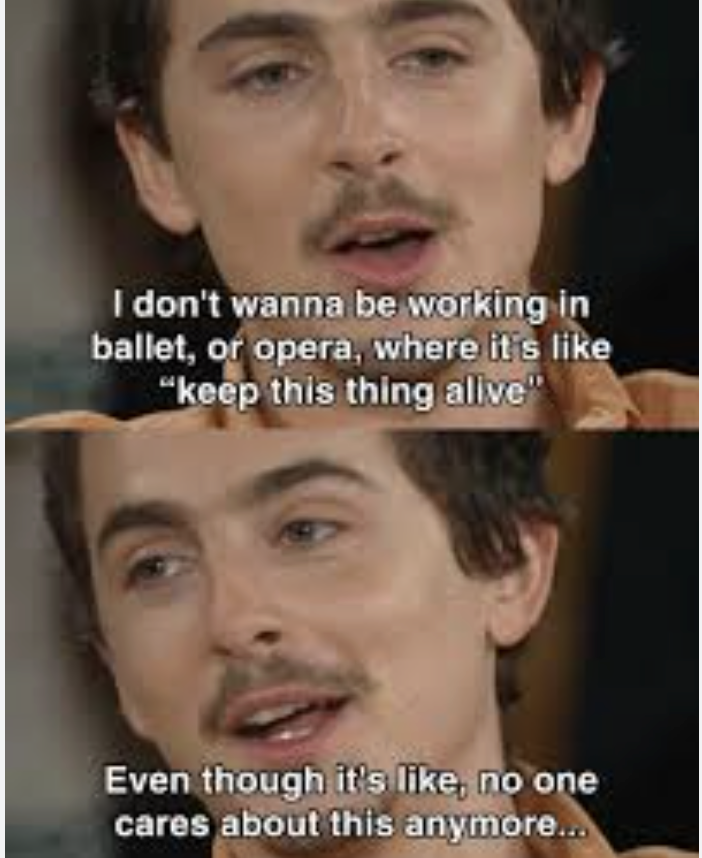
In retrospect, though, I think Chalamet’s problem goes deeper than ignorance. Like most obnoxious behavior, it’s founded in fear. He seems concerned that film, too, may be a dying medium. In his quest for the widest audience possible, however, he may ensure its demise.

Let’s take his own career as evidence. The films for which he’s received Oscar nominations (Call Me by Your Name, A Complete Unknown, and Marty Supreme) took in a combined total of about $350 million in box office worldwide. By comparison, Dune 2 topped out at almost twice that amount. In other words, crap sells and art doesn’t. Welcome to the world of opera and ballet, Timmy.

Don’t get me wrong: popcorn movies have their place. You cannot tear me away from the TV every Christmas Eve for the annual Die Hard viewing. But great art lasts even longer.
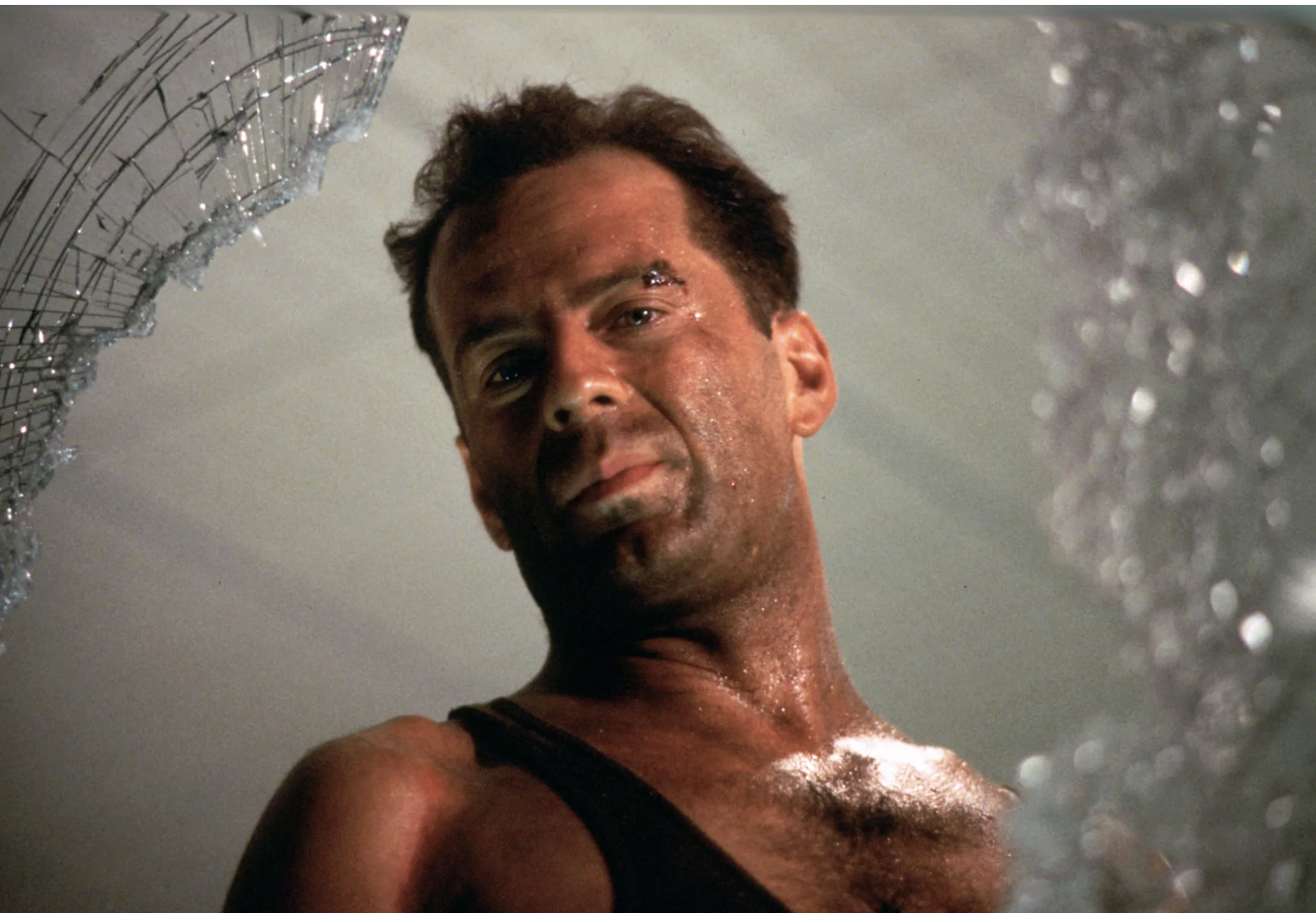
Welcome to the party, pal.

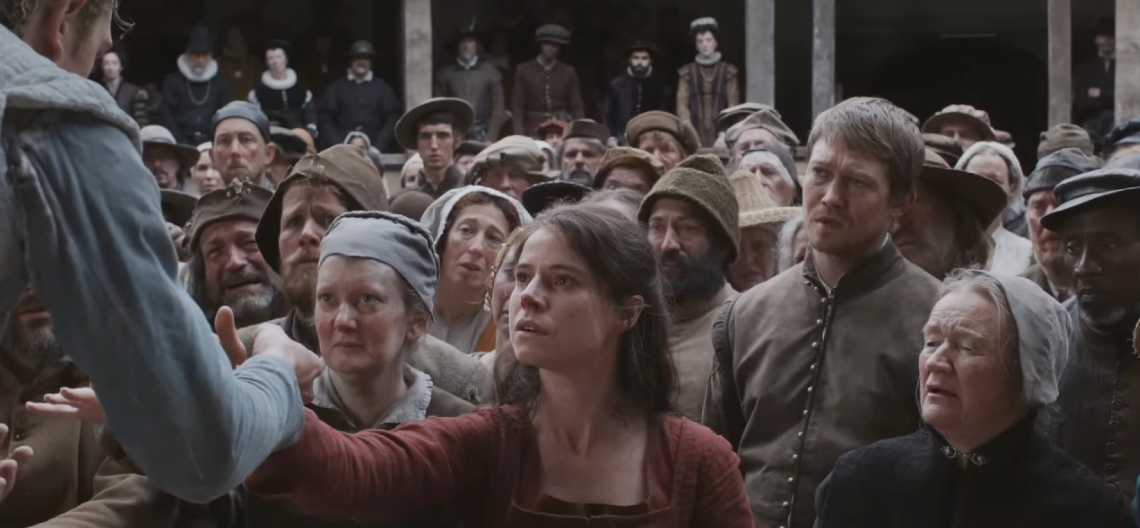
There’s something fleeting about all but the greatest films. Their greatness, in fact, often lies in their ability to depict the impermanence of the world. As much as I enjoyed Marty Supreme and its ever-bouncing balls, Hamnet hit me in gut in the way that few films can. Its depiction of grief—and the spiritual rebirth that follows—is an example of the transcendent alchemy of great art.
There are a handful of other films that have moved me in a similar way. But that magic is imbedded in opera, and the reason I keep coming back to it. Yes, operas aren’t realistic (neither is Singin’ in the Rain). But that’s the point. In its very audacity, opera lifts the human spirit so that realism doesn’t seem to matter anymore. The combination of words and music—and music on a grand, almost superhuman scale—highlights the ineffability of the deepest themes that define the human condition.

For example, the closing moments of Mozart’s Le nozze di Figaro and Wagner’s Götterdämmerung pierce my heart every time, forcing me to admit the beauty of life even at its most painful. Time seems to stop when the Count begs his wife’s forgiveness, or when the Rhine sweeps over the fallen world. In opera, we can enter the realm of the eternal in a way that more realistic art forms, like film, can’t match.

Opera isn’t for everybody, of course; nothing is. The audience for opera (and ballet) is small when compared to even middling movies. Yet, these art forms have endured for centuries and they are by no means dead yet. On the other hand, artistic cinema gets squeezed harder and harder every year by the Marvelization of an industry that is so motivated by the financial bottom line that it threatens its own lifeblood. Chalamet may want to consider singing lessons.

To Be Real

I’m currently working on a novel that has its roots in my own life. Other books have borrowed the enamel and the cavities; this one requires a full-on root canal. It’s a book I’ve been living with for years now. At first I tried prettying up the story—making the characters nicer, richer, more articulate than the real people who inspired them. But the heart was missing, so I began stripping away the artifice. After many attempts, I finally think I’m onto something. The story is now more grounded in the reality of the world I lived in at the time, and how I felt about it. But I’m still manipulating the events, the timeframe, the nuances of the characters. It’s still a novel. I believe that fiction more easily gets to the truth—emotional, spiritual truth—than memoir (which is always imperfect, anyway, and therefore not as honest as it claims).

In the midst of my angst over the book, my attempt to harness real events into a constructed universe, I stumbled upon a cautionary tale about the pitfalls of straddling the line between fiction and history.

The recent film Roofman is distinguished by its cast: a charming and emotionally complex Channing Tatum, a hilarious Juno Temple, a deliciously wicked Peter Dinklage, and an absolutely brilliant, Meryl Streep-channeling Kirsten Dunst. These performances are all the more remarkable because the actors rise so far above the material they’ve been given.

The filmmakers constructed an entertaining and suspenseful comedy that keeps the viewer riveted for more than an hour. But then reality intervenes. Literally.

Because Roofman is based on a “true story,” the filmmakers set themselves an impossible task. The movie it seems they wanted to make is the story of a loser with a heart of gold who gets tempted toward criminality because of a desperate desire to win back his family. So far, so good.

But as Jeff’s world  begins to crumble, darkness creeps in. His desperation leads to increasingly violent moves. Whereas he began his life of crime by robbing McDonald’s outlets and playing a soft-spoken Hamburglar—making sure his victims all had coats before locking them in the freezer—by the end of the movie he’s pistol-whipping a guy and setting a business on fire. Over the closing credits, we learn that the real Jeffrey Manchester may not have been quite the charmer Tatum makes us fall in love with. His crimes were more extensive, and the film takes significant liberties with the order and circumstances of his spree.

And there’s the rub. The ending seems to be something out of the old Hays Code, where the character, no matter how charming or sympathetic, must be punished for straying from the straight and narrow.

The real problem, though, is that the filmmakers can’t decide how much reality to use. So they opt for a schizophrenic movie that destroys the verisimilitude of its central character. Tatum as Jeff is a charming criminal from the get-go; but in the latter half, that charming guy starts putting people’s lives and livelihoods in danger, and there’s no sufficient motivation to explain the change in his moral compass. Sadly, Tatum has invested so much in making us like the guy that he can’t believably go to a dark side, so the audience is torn between rooting for a hapless man and wanting him to get his comeuppance. (I for one just wanted him to be smarter. There’s a key moment near the end when he seems to miss that he’s being set up.) What’s really happening is akin to Jeff Daniels’s dilemma in The Purple Rose of Cairo: a fictional character steps out of the screen and becomes a real human being, a role he seems constitutionally unfit to play.

Roofman might simply have used the disclaimer “inspired by a true story” and gone off on a different tangent—changing names and locations along with the plotline. Instead, the filmmakers seem to have fallen into the trap of trying to please a public that increasingly finds “reality” somehow more compelling than well-made fiction.

Whether docudramas or memoirs, I always find myself wondering why so many people seem to think that a story that “really” happened is inherently worthier of attention than one that’s completely made up. Not that fiction is ever completely made up; it always contains elements of the real experience of the creator and the world around him or her (the enamel if not the root).

Roofman’s problem is of a different sort. Stories—and especially characters—should be internally consistent, no matter the source material. My research suggests that the plot that triggers the climax of the film (Jeff’s need for money to finance his plot to leave the country) was invented by the filmmakers, perhaps as a way to explain the violence of his final robbery. (The film also places his act of arson in this period, though it was actually committed long beforehand.) They must have thought they were solving the problem of the plot. But in the process, they deconstructed the protagonist—who was the very hook for the story to begin with.

If you want to enjoy this movie, I recommend forgetting that it has any connection to reality. And focus your attention instead on Kirsten Dunst’s transcendent performance.