I became a devoted opera fan when I was several years younger than Timothée Chalamet is now. My initial response to his recent display of ignorance was a tired eye-roll. In my youth, before I’d actually seen an opera, I also assumed the art form was a creaky old thing with little relevance to the modern world. He’ll grown into it, I thought, the way the rest of us learn to eat our spinach or appreciate fine wine. Or maybe I was just naively hoping he would, in the infamous words of Susan Collins, “learn his lesson.”
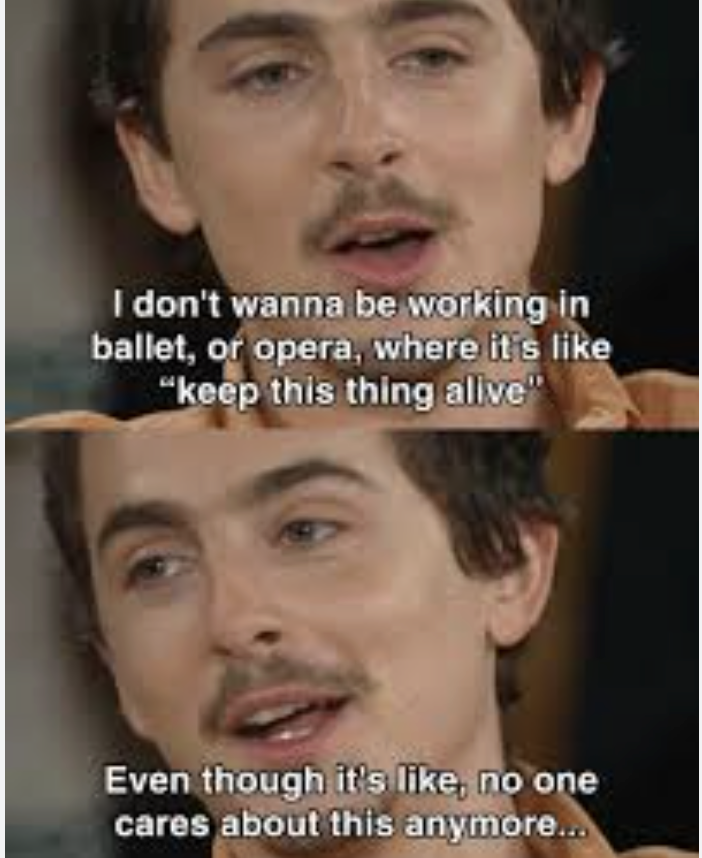
In retrospect, though, I think Chalamet’s problem goes deeper than ignorance. Like most obnoxious behavior, it’s founded in fear. He seems concerned that film, too, may be a dying medium. In his quest for the widest audience possible, however, he may ensure its demise.
Let’s take his own career as evidence. The films for which he’s received Oscar nominations (Call Me by Your Name, A Complete Unknown, and Marty Supreme) took in a combined total of about $350 million in box office worldwide. By comparison, Dune 2 topped out at almost twice that amount. In other words, crap sells and art doesn’t. Welcome to the world of opera and ballet, Timmy.
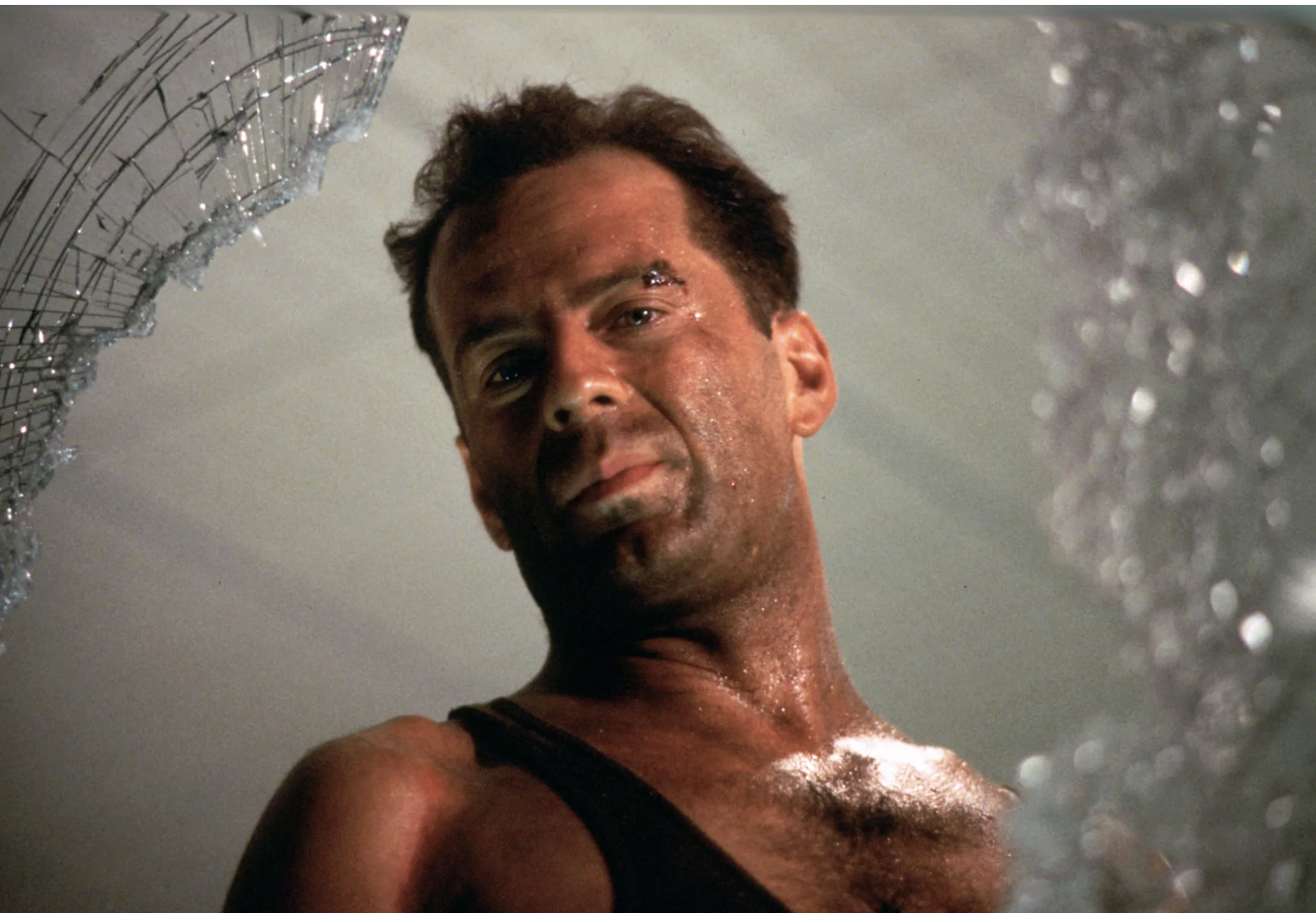
Don’t get me wrong: popcorn movies have their place. You cannot tear me away from the TV every Christmas Eve for the annual Die Hard viewing. But great art lasts even longer.
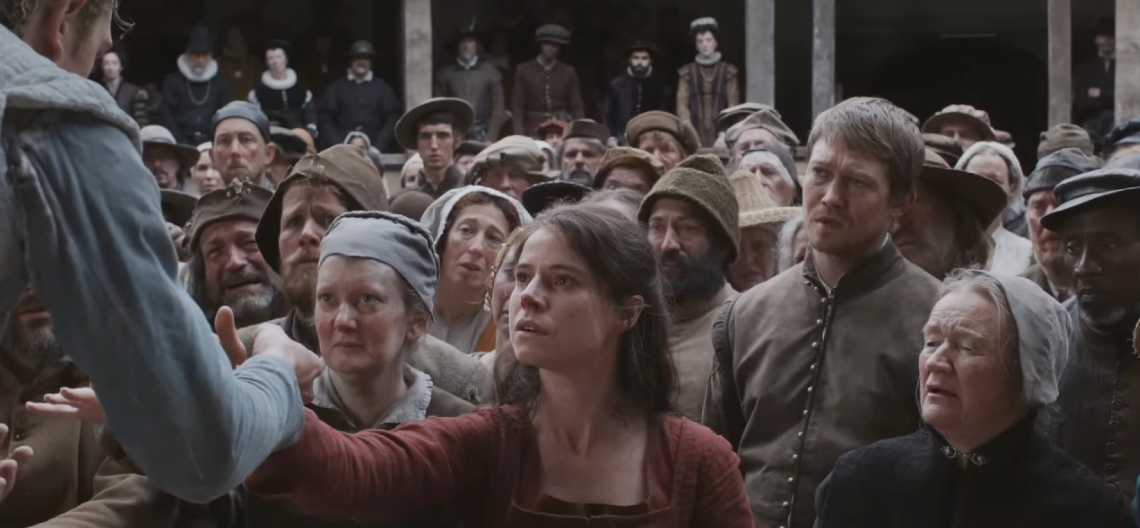
There’s something fleeting about all but the greatest films. Their greatness, in fact, often lies in their ability to depict the impermanence of the world. As much as I enjoyed Marty Supreme and its ever-bouncing balls, Hamnet hit me in gut in the way that few films can. Its depiction of grief—and the spiritual rebirth that follows—is an example of the transcendent alchemy of great art.
There are a handful of other films that have moved me in a similar way. But that magic is imbedded in opera, and the reason I keep coming back to it. Yes, operas aren’t realistic (neither is Singin’ in the Rain). But that’s the point. In its very audacity, opera lifts the human spirit so that realism doesn’t seem to matter anymore. The combination of words and music—and music on a grand, almost superhuman scale—highlights the ineffability of the deepest themes that define the human condition.
For example, the closing moments of Mozart’s Le nozze di Figaro and Wagner’s Götterdämmerung pierce my heart every time, forcing me to admit the beauty of life even at its most painful. Time seems to stop when the Count begs his wife’s forgiveness, or when the Rhine sweeps over the fallen world. In opera, we can enter the realm of the eternal in a way that more realistic art forms, like film, can’t match.
Opera isn’t for everybody, of course; nothing is. The audience for opera (and ballet) is small when compared to even middling movies. Yet, these art forms have endured for centuries and they are by no means dead yet. On the other hand, artistic cinema gets squeezed harder and harder every year by the Marvelization of an industry that is so motivated by the financial bottom line that it threatens its own lifeblood. Chalamet may want to consider singing lessons.
 Lewis DeSimone