When the verdict came down for a certain felon in New York on Thursday, I found myself instantly thinking less about the defendant, the lawyers, or the witnesses, than about the 12 women and men who had the heavy task of making the historic decision to convict.
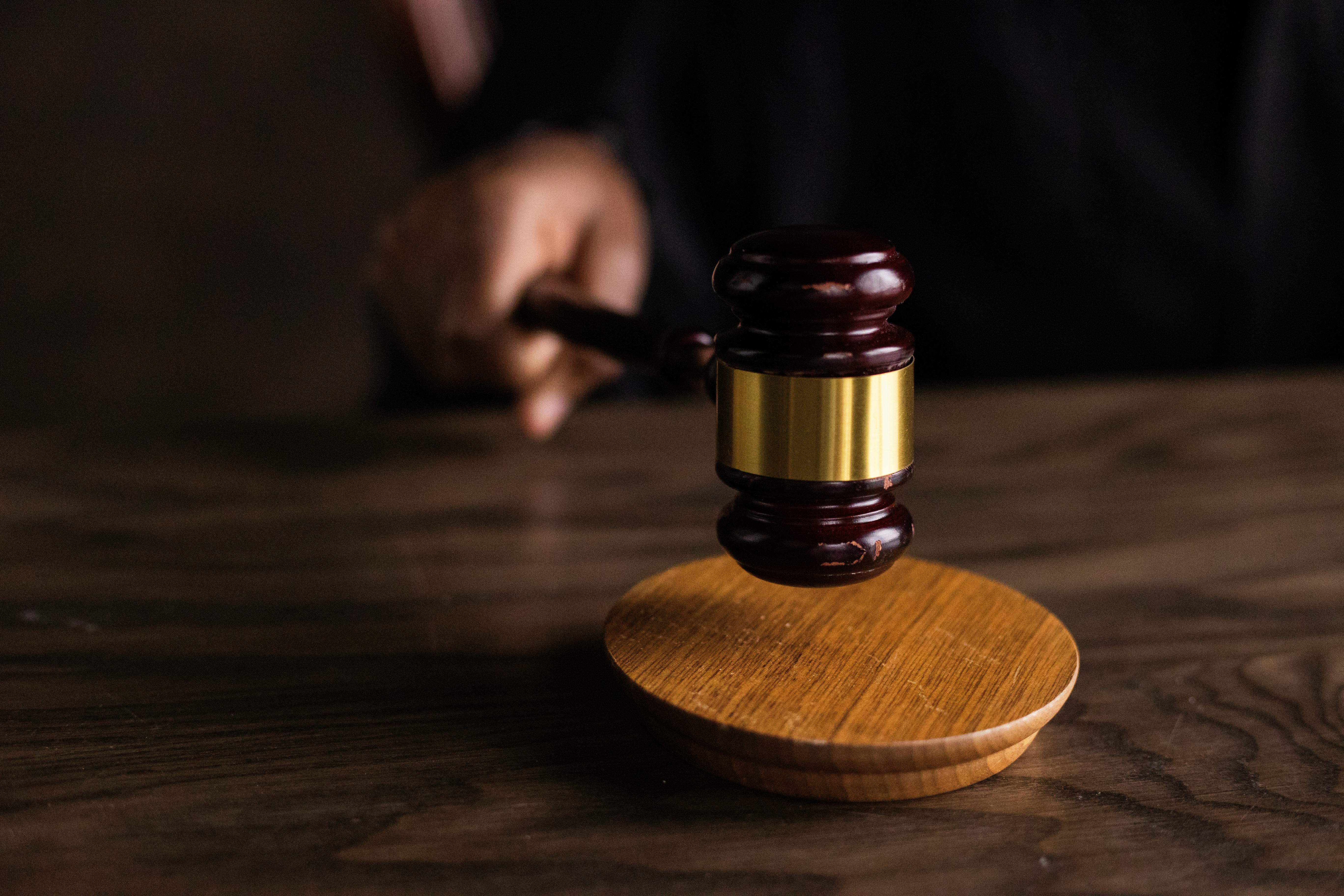
Serving as a juror is an awesome responsibility. Until I got selected for a case in California several years ago, I felt no different than the mass of people who dread the task as much as death and taxes. But once the trial got under way, I was riveted. The technical testimony brought out the nerd in me (I learned more than I’d ever wanted to know about gunshot wounds and powder residue), and the witness testimony was as intriguing as a soap opera. But what I found most interesting was the judicial process—how evidence was introduced, how the prosecution constructed a narrative, how the defense tried to poke holes in it.
My jury experience inspired the court case at the center of my new novel, Exit Wounds, but the freedom of fiction enabled me to add some drama here and there, and put it all into a larger context.
As fascinating as a trial can be—particularly for jurors, who must pay careful attention to everything—deliberation is somewhat terrifying. As I waited for the Trump jury to deliver their verdict this week, I imagined them having the same types of arguments my own jury had had: questions about the credibility of witnesses, the definition of reasonable doubt, and how much evidence is enough. The weight of a decision that affects another person’s life causes a surprising amount of stress. In the current case, I would say it also required a substantial amount of courage. Those 12 people made a difficult decision under unprecedented circumstances, and we should be deeply grateful for their perseverance and sense of civic duty.
 Lewis DeSimone